 Vedran
Grassroots sports · 0→1 mobile product · 2023–2024
Clubbie
Taking an all-in-one grassroots sports platform from a blank page to public launch.
- Role
- End-to-end product designer
- Team
- Founder and engineers
- Timeline
- 2023–2024 · original product and launch phase
- Outcome
- Public release on iOS and Android; the platform continued to grow beyond the original design phase.
At a glance
- Owned research, UX, UI, and prototyping
- Designed for coaches, players, parents, and fans
- Partnered with the founder and engineers through launch
Prefer the short version?
Don’t want to read the whole case study? I got you.
Open the Clubbie application presentation and scroll through the product story without leaving this page.
01 · The challenge
The work around a match was spread across too many places.
Grassroots teams need to coordinate events, availability, lineups, payments, statistics, and everyday communication. At the same time, players and supporters want a place to share moments and build a sporting identity. Those needs are related, but they are often handled through separate tools and conversations.
The design challenge was to bring administration and participation into one mobile product without making either side feel secondary or overwhelming people with the full system at once.
Make the practical work of running a team easier, then turn that shared activity into a stronger sporting community.
02 · Research and direction
Market research revealed an opportunity between utility and belonging.
I began with market and competitor research, mapping how existing products approached team management, sports statistics, communication, and social sharing. This phase did not include user interviews, so I used it to clarify the landscape and shape hypotheses rather than present unverified customer conclusions.
The resulting direction connected two product promises: help coaches and team administrators manage the day-to-day work, and give players, parents, and fans reasons to return, participate, and celebrate progress.
03 · Architecture and MVP
Four roles needed to feel like one coherent product.
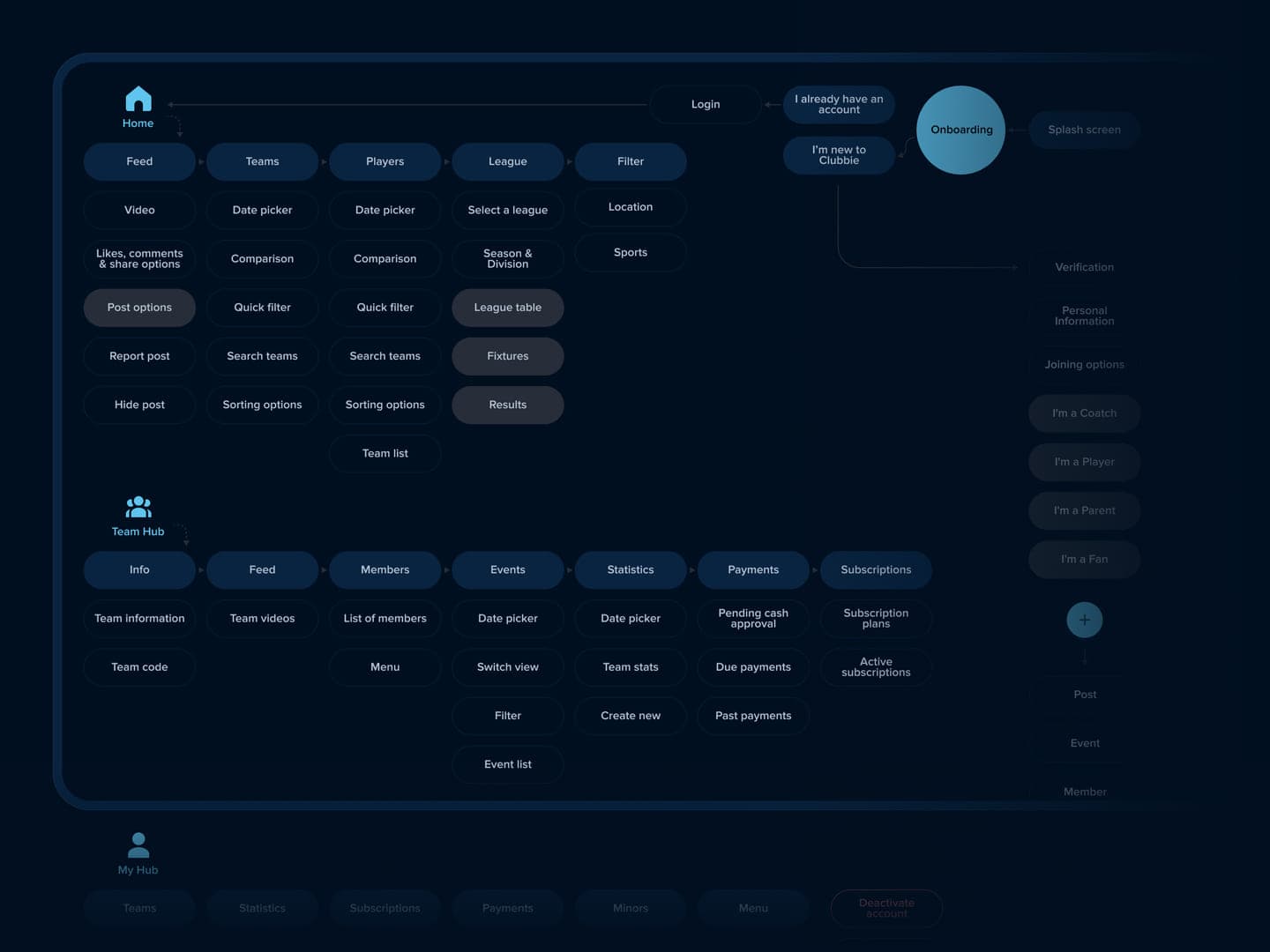
Coaches and team administrators became the primary lens because they create the structure that everyone else participates in. The product still needed clear paths for players, parents, and fans, so role selection influenced onboarding and permissions without splitting the experience into disconnected apps.
I organized the MVP around four connected systems: Home for discovery and community, Team Hub for operations, My Hub for personal administration, and onboarding for role and account setup. Low-fidelity wireframes helped test hierarchy and flow before visual design made the screens feel finished.
Showing image 1 of 5.
04 · Experience system
A focused visual system made a broad product feel recognizable.
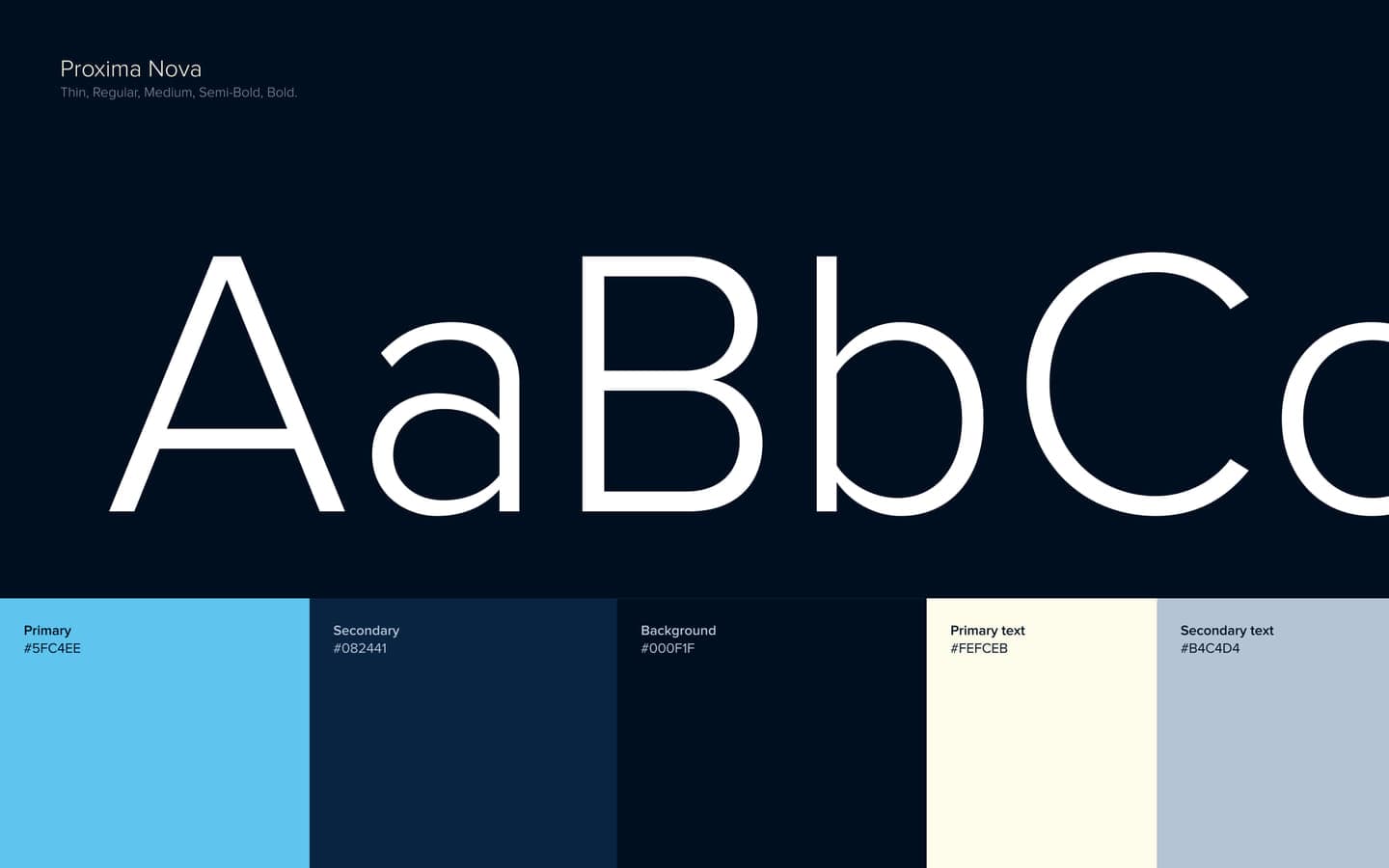
Clubbie needed to feel energetic and sports-led while carrying dense operational information. I used a dark navy foundation, bright blue actions, warm off-white text, and clear status colors to create contrast and focus across feeds, forms, events, and performance views.
Role-aware onboarding introduced the promise before asking people to register. Reusable navigation, tabs, cards, inputs, and data patterns kept the experience consistent as the product expanded from social content into team and payment workflows.
05 · Team operations
The Team Hub put the coach’s next decisions in one place.
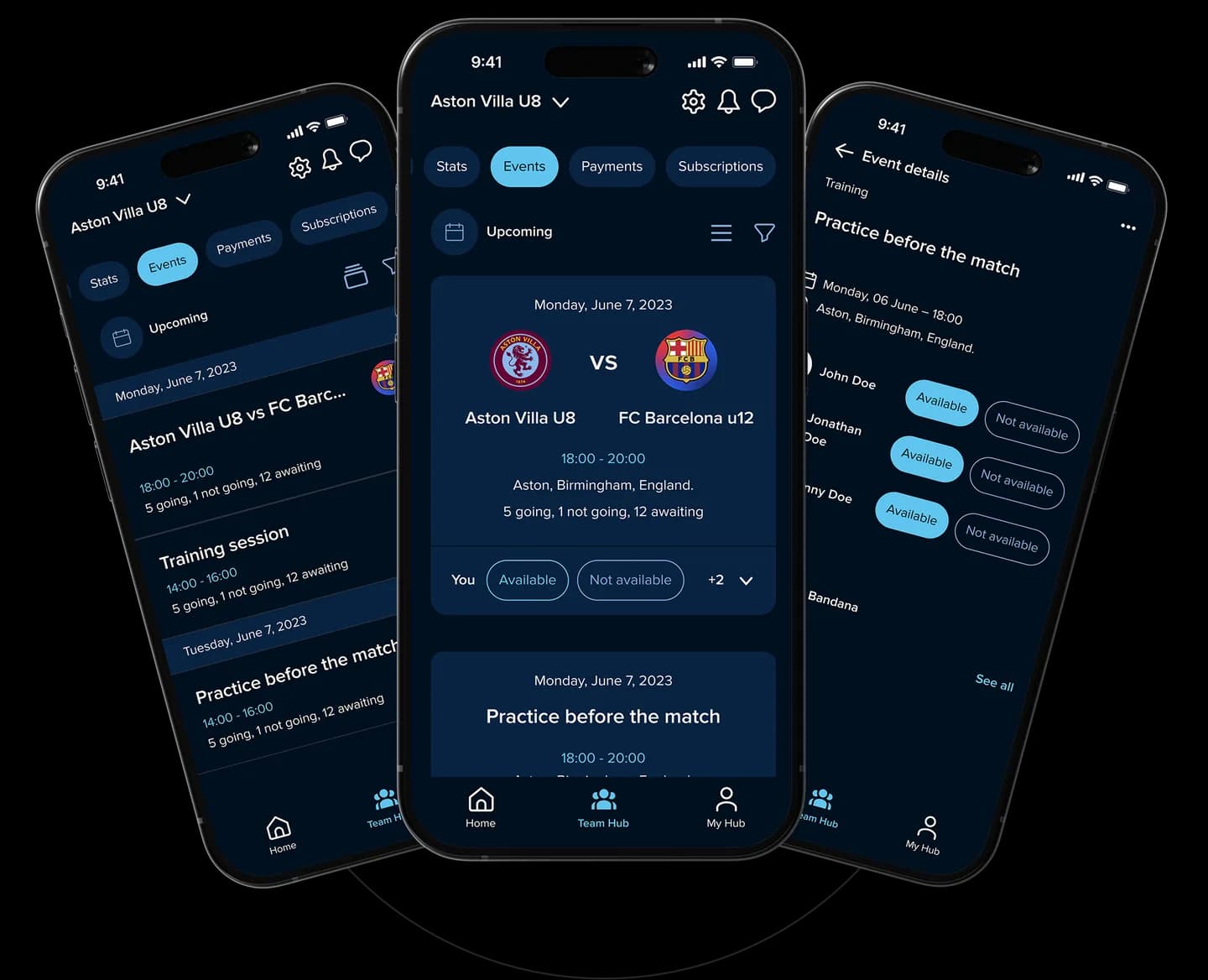
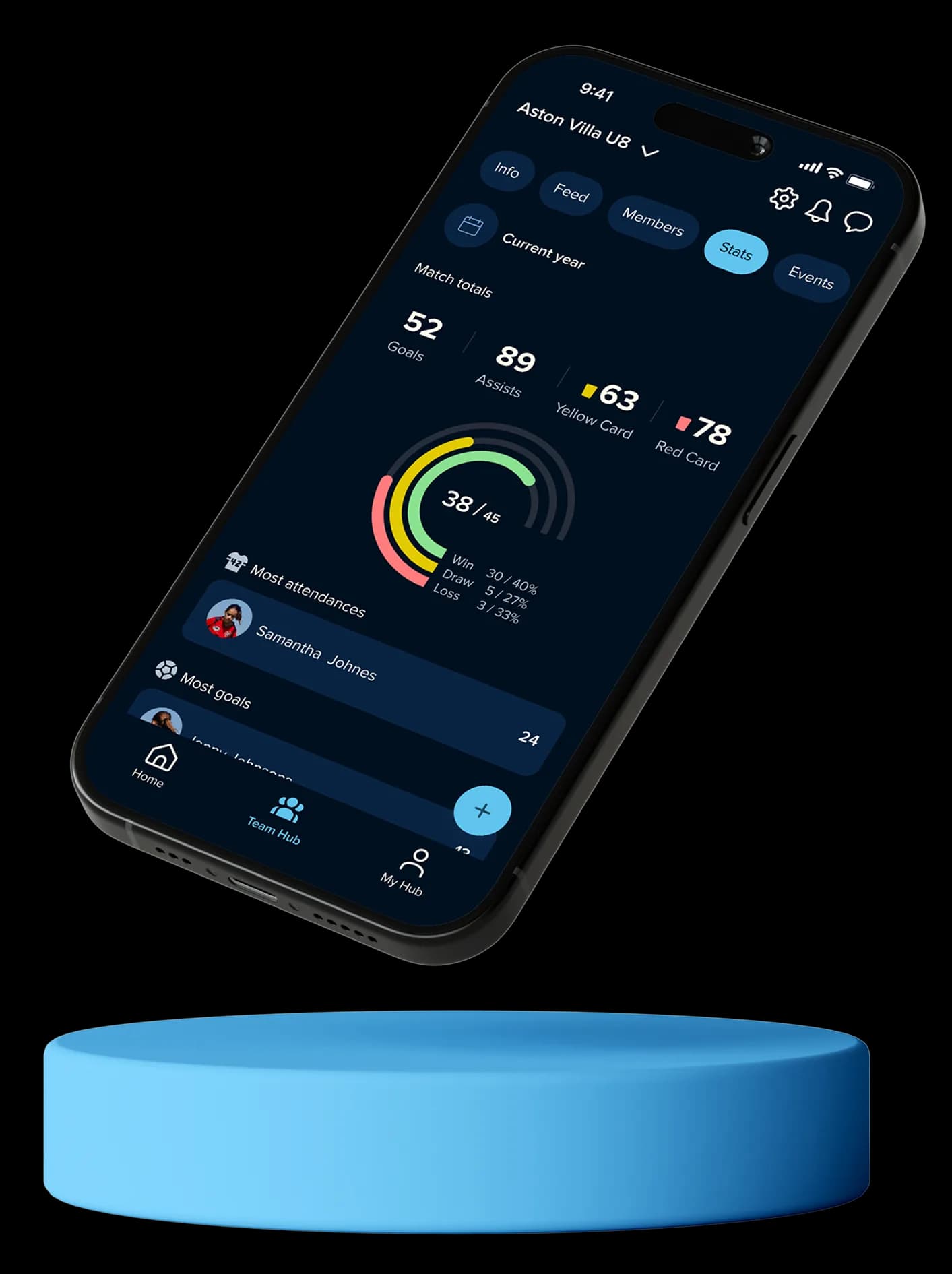
Team Hub brought events, member availability, lineups, statistics, subscriptions, and payments into one operational area. The hierarchy emphasized what needed attention now while keeping the wider team context close by.
Events connected schedules with attendance responses. Lineups made formation and player selection tangible. Payments separated pending requests, completed activity, and approval details so administrators could act without reconstructing the situation from messages.
Showing image 1 of 4.
06 · Community and performance
Utility created activity; recognition gave people a reason to care.
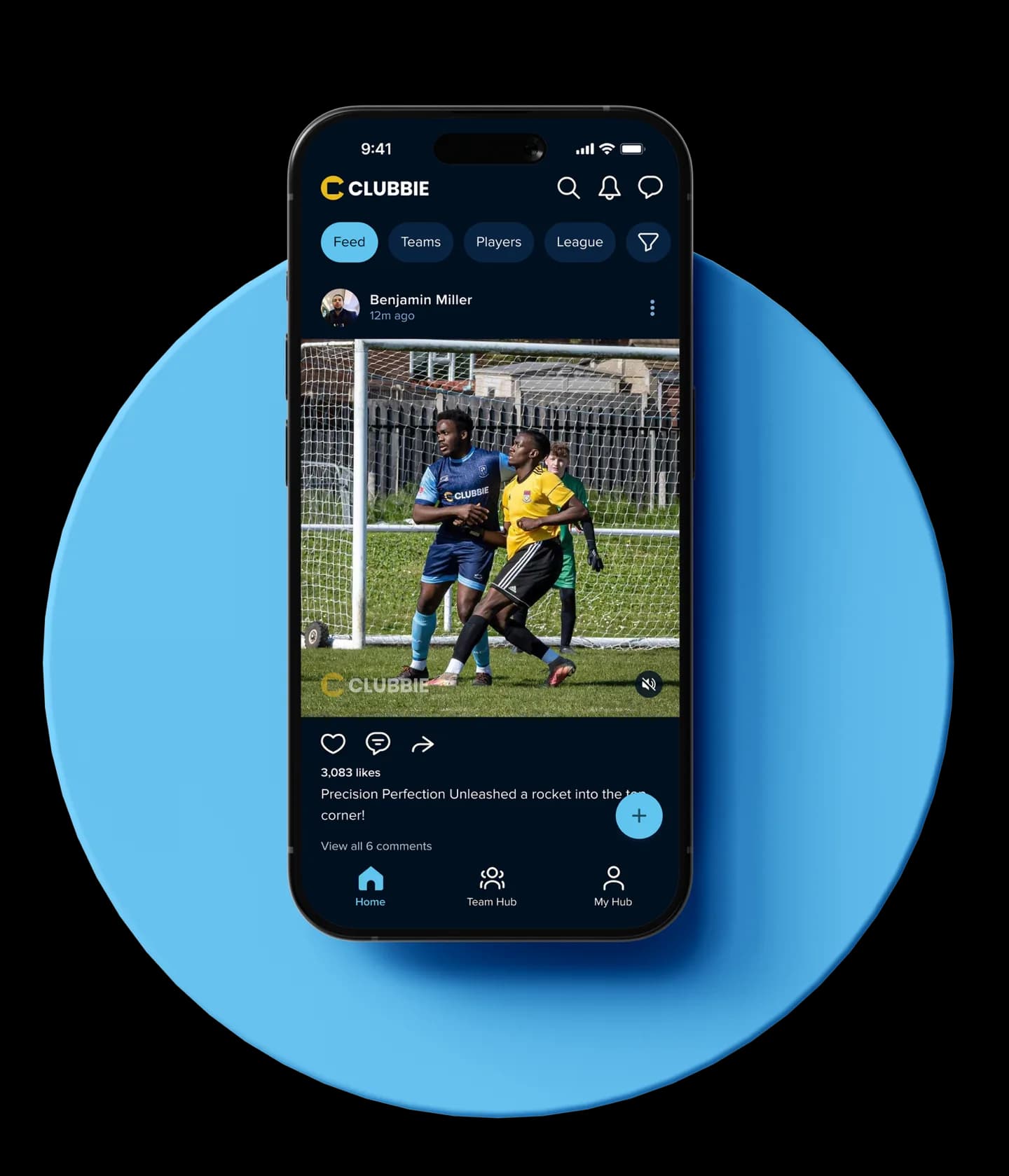
The Social Hub let teams and players share videos, highlights, comments, and conversations around the sport. Leaderboards and StatsEngine transformed match information into comparisons that worked at team, local, and broader levels.
These areas were designed as a connected loop rather than decorative extras: team activity generates moments and statistics, the community recognizes them, and that recognition brings people back into the product.
07 · Personal identity
An avatar flow made the sporting identity feel personal.
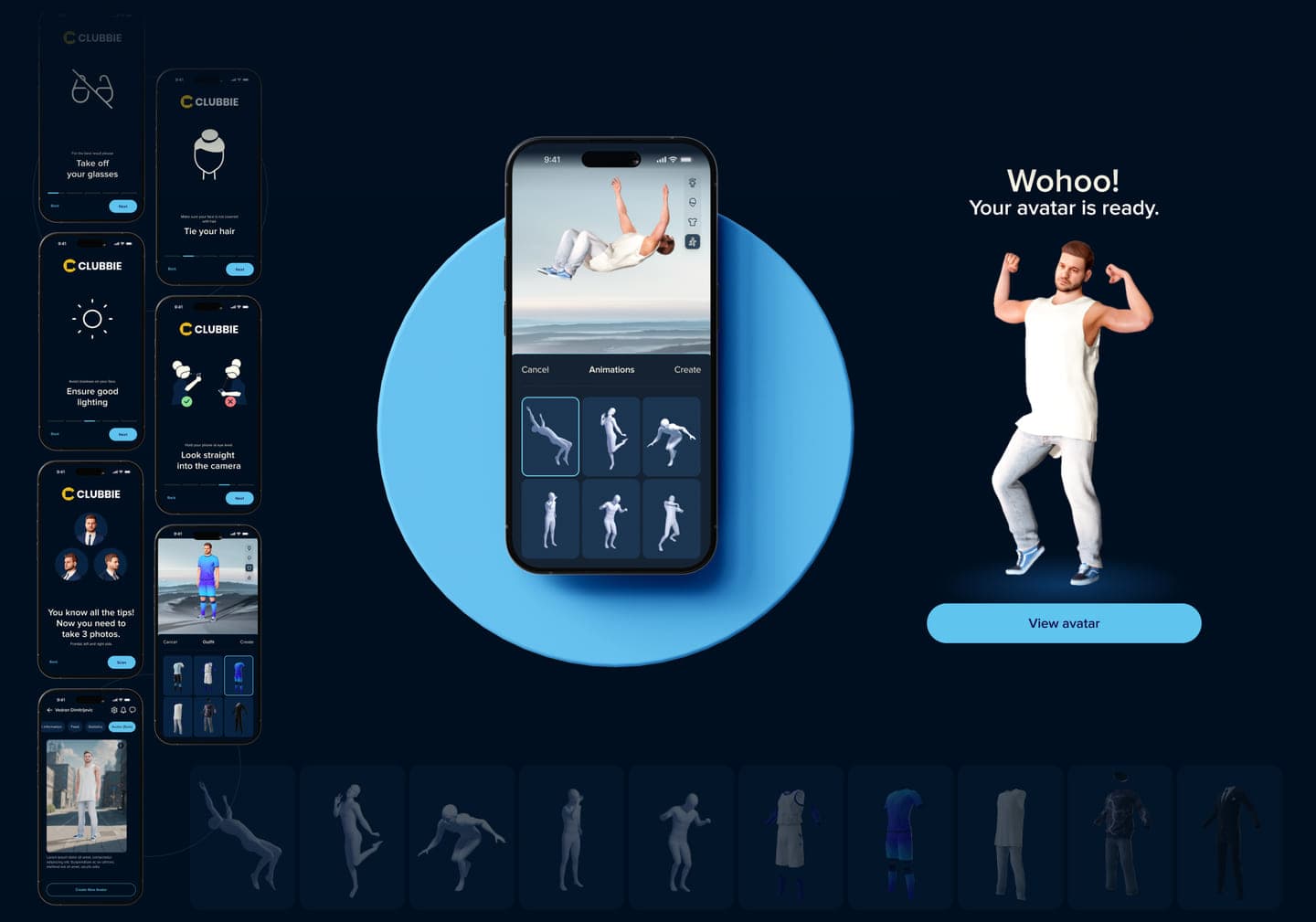
The avatar generator extended the idea of a player profile beyond static information. A guided capture flow prepared people for a successful scan, then let them preview clothing and animated poses before publishing the result.
This was a distinctive product moment, but it still followed the system’s core rule: explain the next action clearly, show progress, and keep the result connected to the wider community experience.
08 · Shipped result
The original product launched; the platform continued to grow.
I owned the 2023–2024 design phase end to end and collaborated directly with the founder and engineers as the product moved through prototypes, implementation questions, iteration, and public release on iOS and Android. The screens in this case study document that original phase; the product and interface have continued to evolve since then.
As of August 2026, Clubbie's public website reports more than 8,000 teams and 30,000 sports enthusiasts, while Google Play lists more than 10,000 downloads. The current App Store page shows a 4.2 rating from 28 ratings. These figures verify that the launched product continued operating and growing, but they do not isolate the impact of my design phase from later product work, marketing, engineering, or the subsequent interface redesign.
The defensible result is therefore the combination of shipped scope and continued public use—not a claim that my work alone produced the current adoption figures. A reliable design-impact story would require the activation, engagement, and retention baseline from the 2023–2024 release cohort.
Public scale proves the product continued; attribution still requires release-cohort analytics.