 Vedran
Femtech · Mobile product · 2025–present
Carea
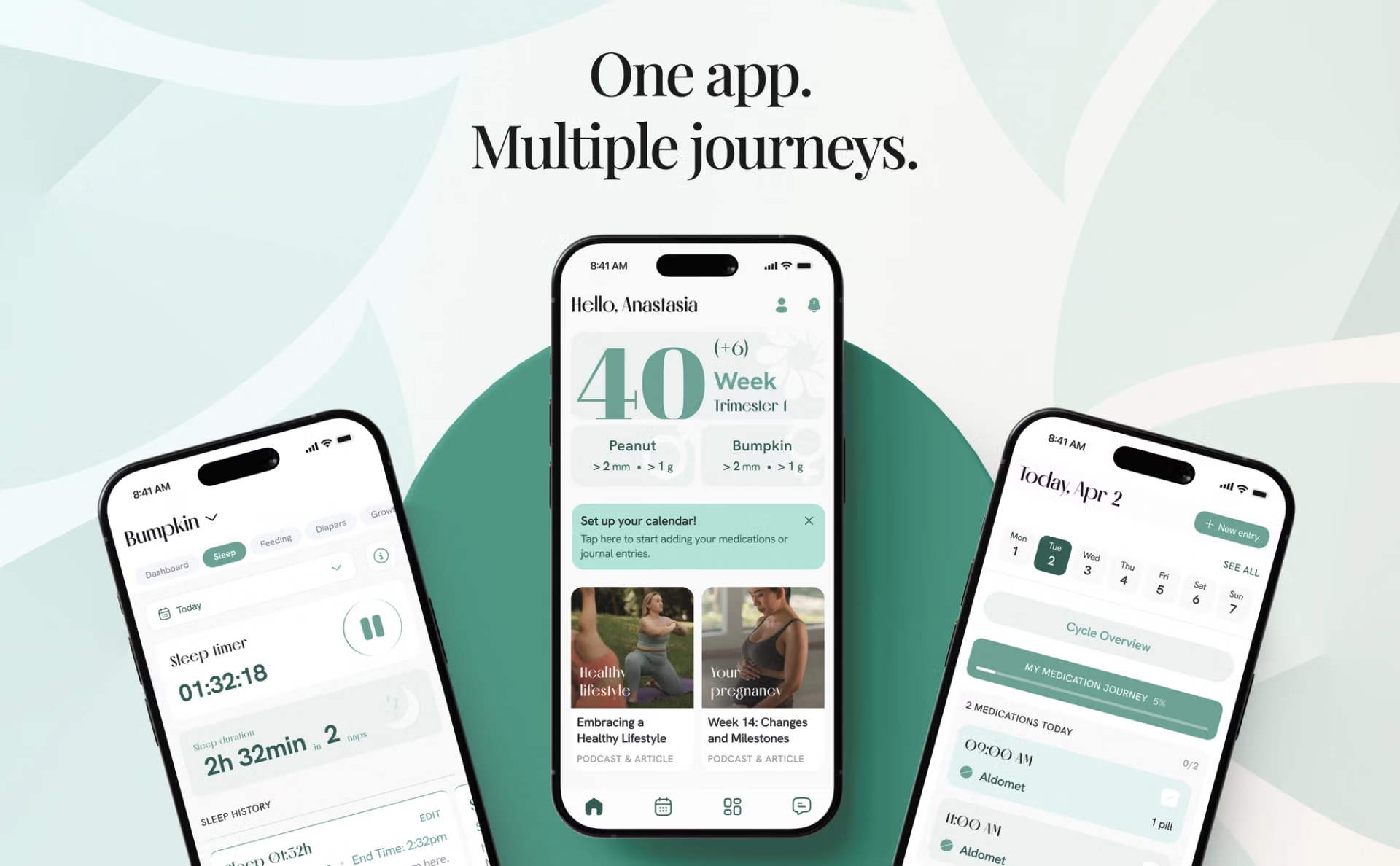
Designing feature flows that support women through fertility, pregnancy, postpartum, and loss without fragmenting the journey.
- Role
- UX/UI designer
- Team
- Carea founder, clinical contributors, product designers, and mobile engineer
- Timeline
- 2025–present · ongoing feature design
- Outcome
- Live on iOS and Android, with four connected journeys and continued feature releases.
At a glance
- Translated new feature requests into complete user flows
- Designed sensitive tracking and reminder interactions across life stages
- Extended one interaction system across a growing iOS and Android product
Prefer the short version?
Don’t want to read the whole case study? I got you.
The Carea application presentation is under construction. The viewer is ready and the deck will appear here as soon as it is added.
01 · The challenge
Motherhood is not one linear journey, and the product could not treat it like one.
Many pregnancy products concentrate on the baby and a predictable week-by-week path. Carea set out to support the woman as well—through fertility treatment, pregnancy, postpartum recovery, and pregnancy loss—including the physical and emotional moments that are often left outside the app.
That breadth created a sensitive interaction-design problem. Each journey needed its own language, inputs, reminders, and expectations, yet the product still had to feel coherent. A woman should be able to understand what matters today, record it without unnecessary effort, and return to a trustworthy history without navigating four disconnected products.
Support different journeys with care while keeping the product familiar enough to use on a difficult day.
02 · My process
A feature request became a flow before it became a screen.
My role was to create the UX/UI when Carea introduced or extended a feature. I translated the request into an end-to-end flow: where someone enters, what information they need, the decisions and states along the way, how errors or incomplete entries behave, and what should happen after confirmation.
I worked within Carea's existing product direction and collaborated with the founder, product designers, clinical contributors, and mobile engineering. Subject-matter expertise defined what information the product needed to handle; my responsibility was to make that information understandable, sequence it into a usable interaction, and carry the interface through implementation-ready states.
The available evidence documents the shipped product and client feedback, but not formal research sessions or controlled usability studies. I therefore describe the flow work and released scope directly without inventing research findings or claiming outcomes the product has not measured publicly.
The design task was not to decorate a requested feature; it was to define how a person would move through it.
03 · Product model
One daily timeline gave different journeys a shared interaction grammar.
Carea organizes much of the experience around an entry attached to a day: a feed, a nap, a medication dose, a mood score, a pain rating, or a journal note. I designed new flows to fit that common model so people could move between journeys without relearning the basic interaction each time.
The repeated pattern—understand today's context, add an entry, confirm it, and review progress over time—made room for very different health needs while preserving familiarity. It also gave the home experience a consistent way to summarize recent activity and surface the next useful action.
04 · Baby tracking
Frequent entries stayed quick while the history remained useful.
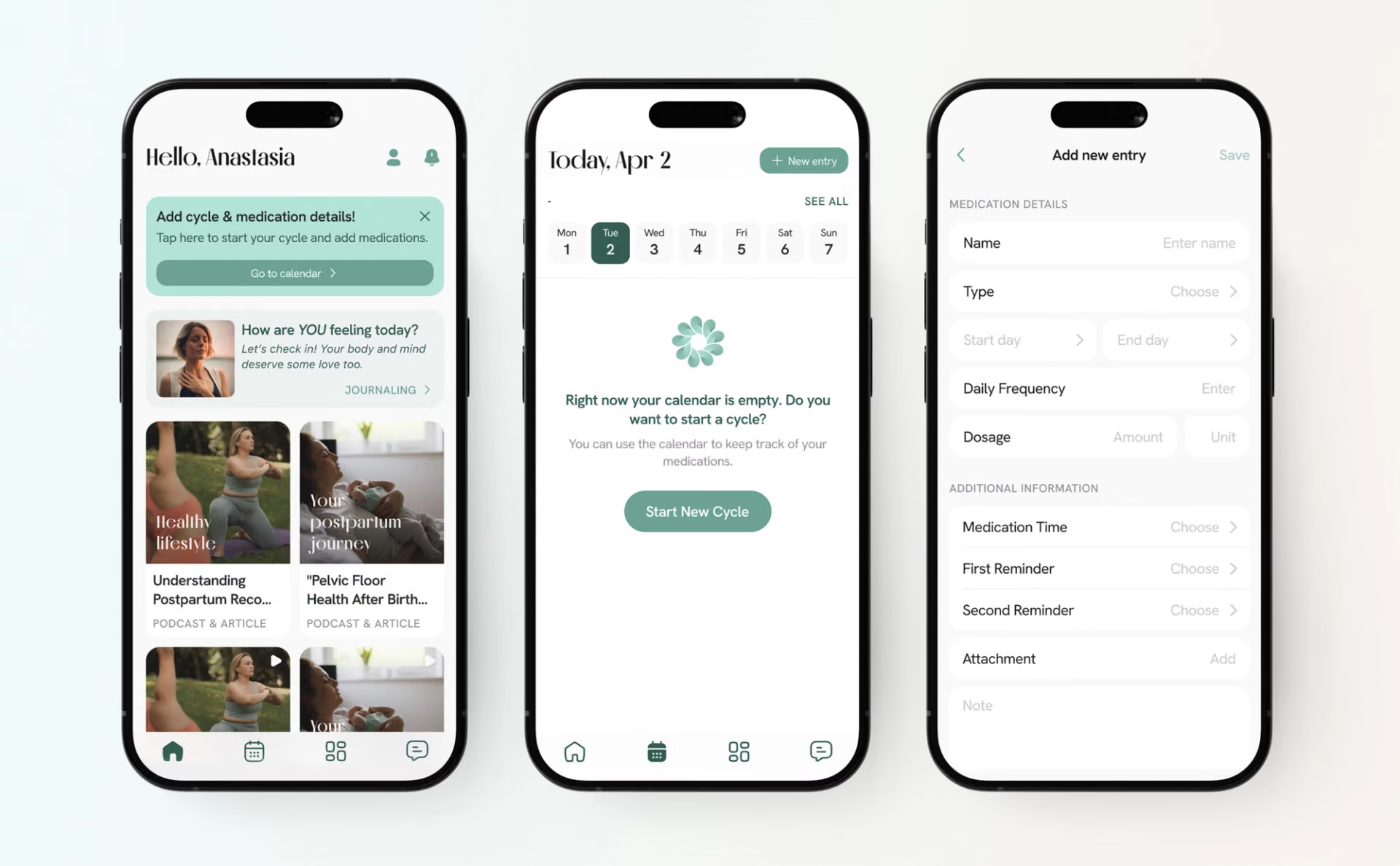
Newborn care creates many small, repeated actions. The baby tracker records sleep, feeding, diapers, and growth, then summarizes the recent pattern so a parent does not have to reconstruct the day from memory.
The flow design keeps the first action close, asks only for the details relevant to that entry type, and returns the result to the same timeline. Consistent controls help repeated logging feel familiar even when the data behind a feed, a nap, and a measurement is different.
05 · Postpartum care
The mother's recovery became visible beside the baby's routine.
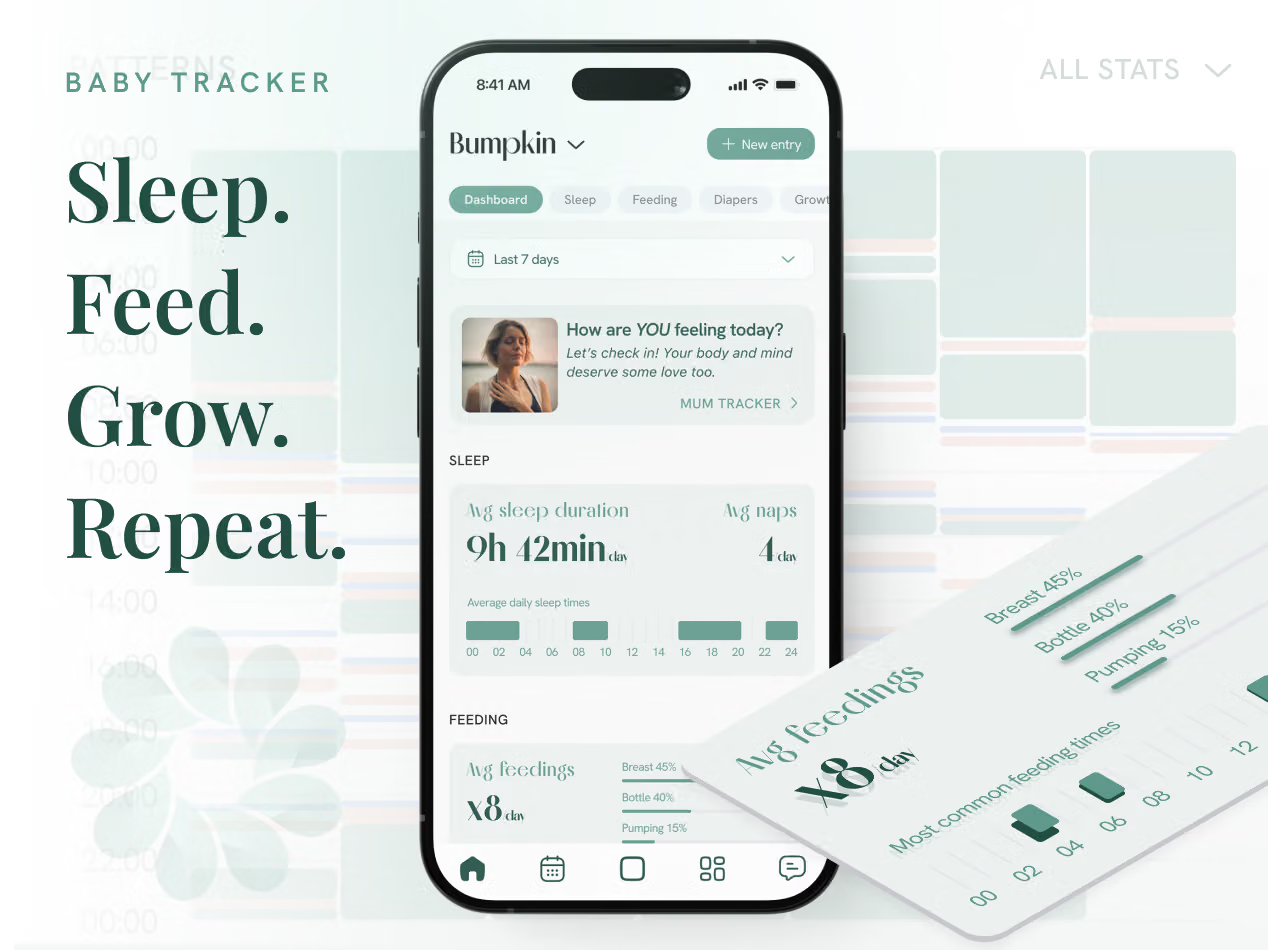
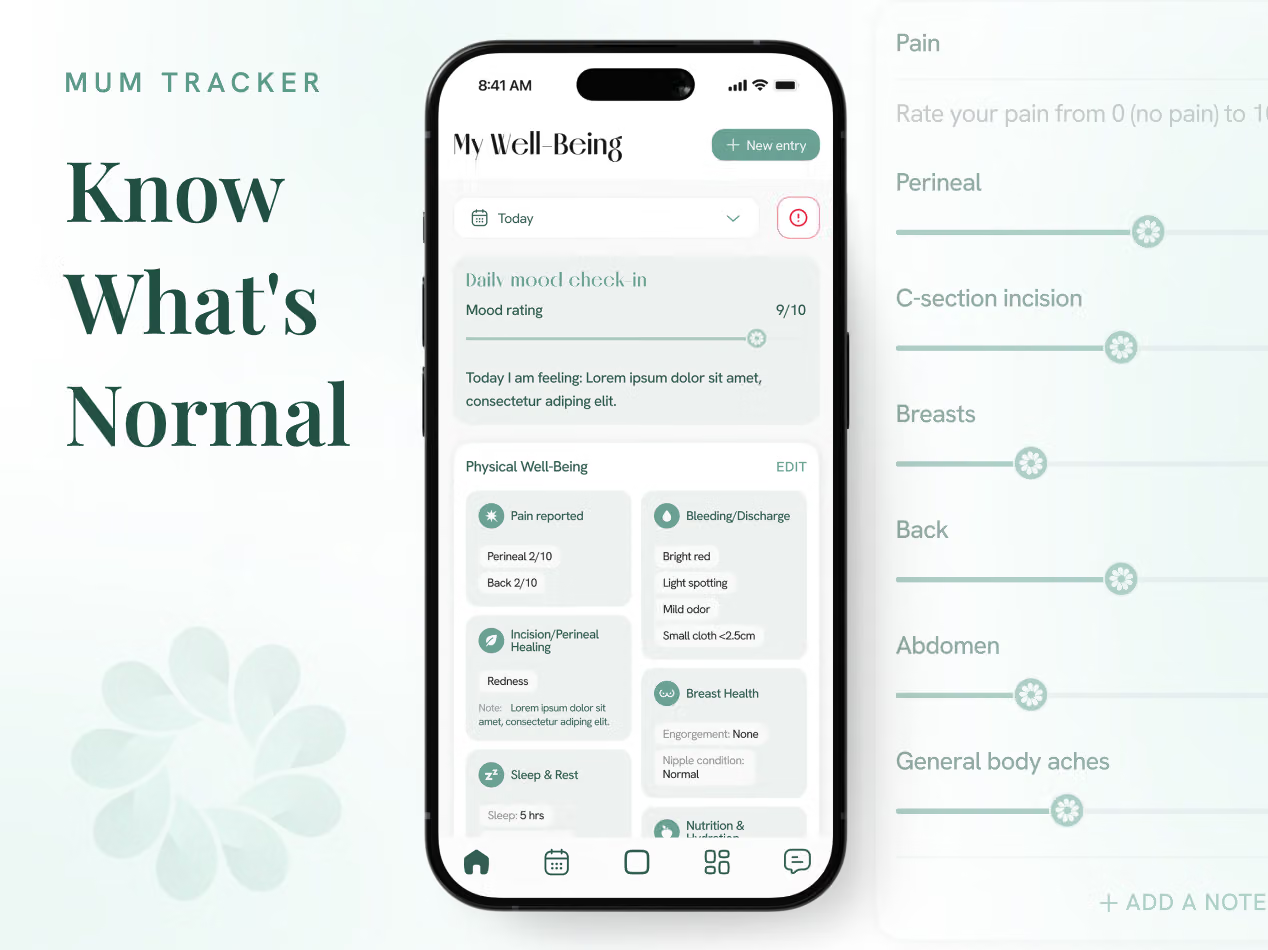
Postpartum products can make the mother's own recovery feel secondary. Carea's Mum Tracker brings a daily mood check-in and physical wellbeing into the same home experience as baby care, making both worthy of attention.
The detailed flows cover sensitive areas including perineal or C-section pain, bleeding and discharge, incision healing, breast health, sleep, and nutrition. I structured the experience as calm, focused steps rather than one long clinical form, using clear progress and review states so people could record what was happening without carrying the entire questionnaire at once.
06 · Fertility treatment
Medication scheduling turned a demanding regimen into the next clear action.
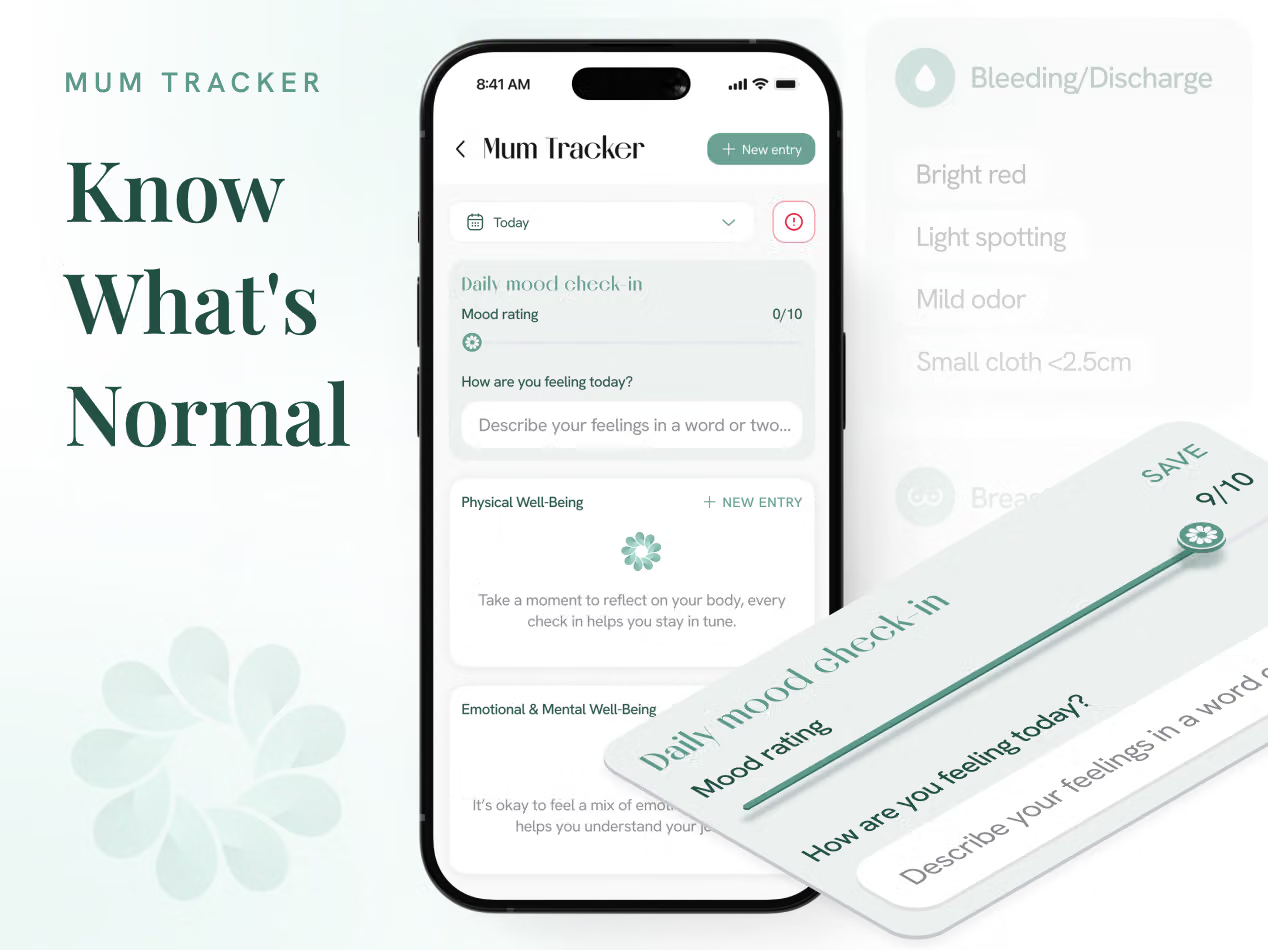
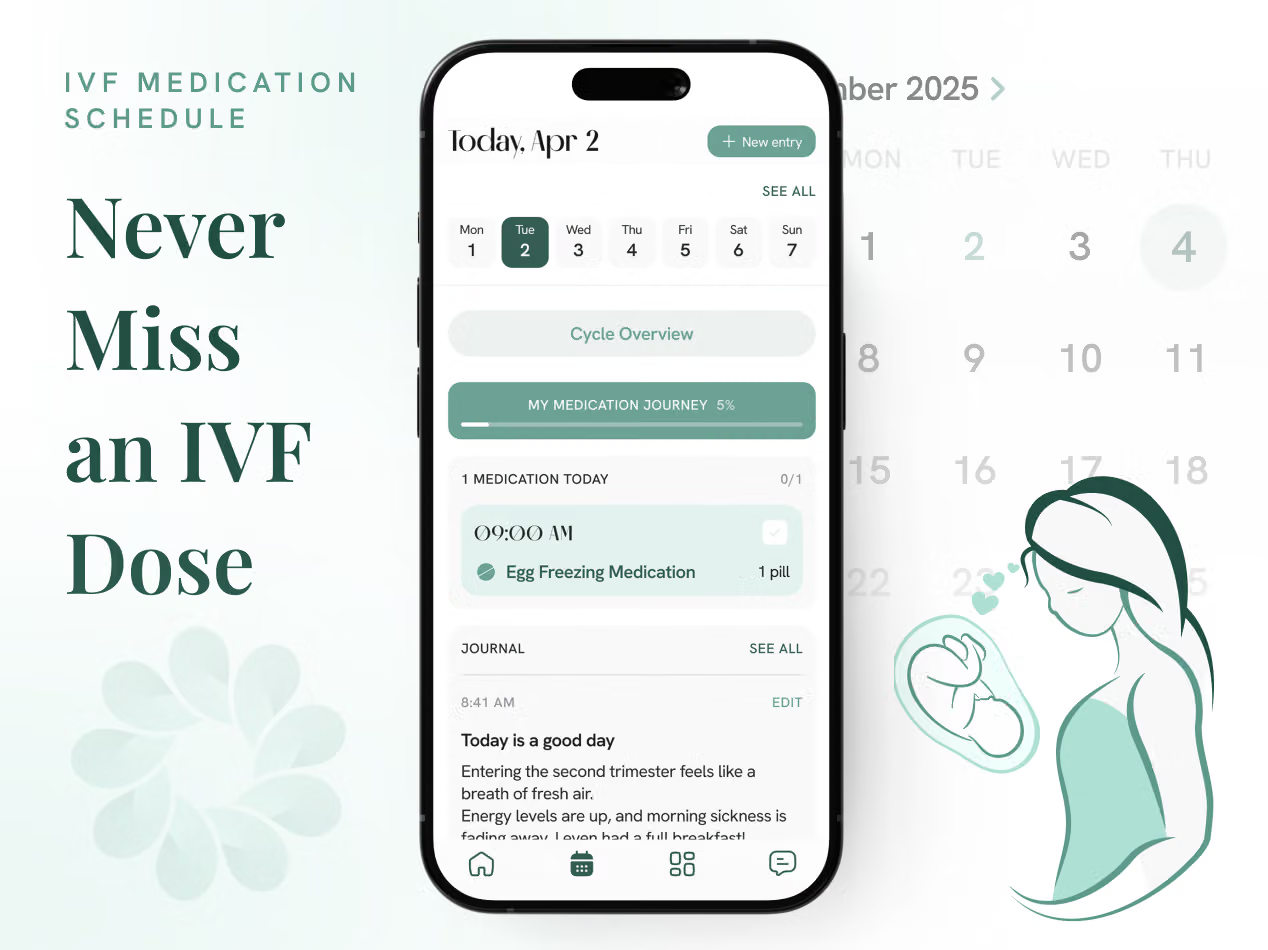
IVF and IUI treatment can involve changing medication schedules, doses, frequency, and time-sensitive reminders. I designed the flow around today's regimen while keeping the wider cycle visible through progress, history, and the journal.
Each medication carries its own dosage and daily frequency, with two reminder moments available for a dose. The hierarchy separates what needs attention now from the wider treatment context, helping a dense schedule remain scannable without making the experience feel mechanical or detached from the person using it.
07 · A growing journey
New support modes extended the system without assuming one version of motherhood.
As Carea grew, the product expanded beyond pregnancy and early postpartum into fertility treatment, pregnancy after loss, and dedicated healing-after-loss support. The current product also connects tracking with emotional wellbeing tools, expert guidance, and community support.
For design, each addition required more than another destination in the navigation. The entry points, language, empty states, reminders, and transitions had to respect the context a woman was in while remaining recognizably part of Carea. Reusing the interaction grammar made the system expandable; adapting tone and emphasis kept each journey from feeling generic.
Consistency came from a shared model. Care came from knowing where that model needed to bend.
08 · Shipped result
The flows became a live product that continues to add new forms of support.
Carea is live on iOS and Android. Its Postpartum Mum Tracker shipped in November 2025, and the current product presents four connected journeys: pregnancy, postpartum, trying to conceive through IVF or IUI, and healing after loss.
A verified client review reports a successful MVP launch followed by multiple releases and positive user feedback about the product's design and functionality. Carea's current website also publishes feedback that specifically values having support in one place, easy navigation, and a calm visual experience.
Those signals verify delivery and show that people respond positively to the experience, but they do not isolate the effect of my design work from clinical input, content, engineering, product strategy, or later releases. A stronger impact story would require flow-level measures such as completion, abandonment, reminder acknowledgement, support escalation, and repeat use after each feature launch.
The defensible outcome is a shipped, expanding product with positive user response—not an unsupported claim that design alone produced it.
09 · Reflection
Sensitive product design depends on clarity, continuity, and restraint.
This work reinforced that a feature request is only the beginning of the design problem. The useful unit of design is the complete experience around it: entry, context, decisions, edge cases, confirmation, and the path back into the product.
It also made the value of a shared interaction model tangible. Repeating familiar patterns reduced the amount a person had to learn, while thoughtful language and pacing let the same system support very different emotional contexts without flattening them into one generic journey.
In the next phase, I would pair every new flow with a lightweight measurement plan before release and combine behavioral data with focused conversations about confidence, tone, and perceived support. Those signals would help the team distinguish a flow that merely ships from one that genuinely helps.